Aligning Promotional Frameworks Across Diverse Sports Venues
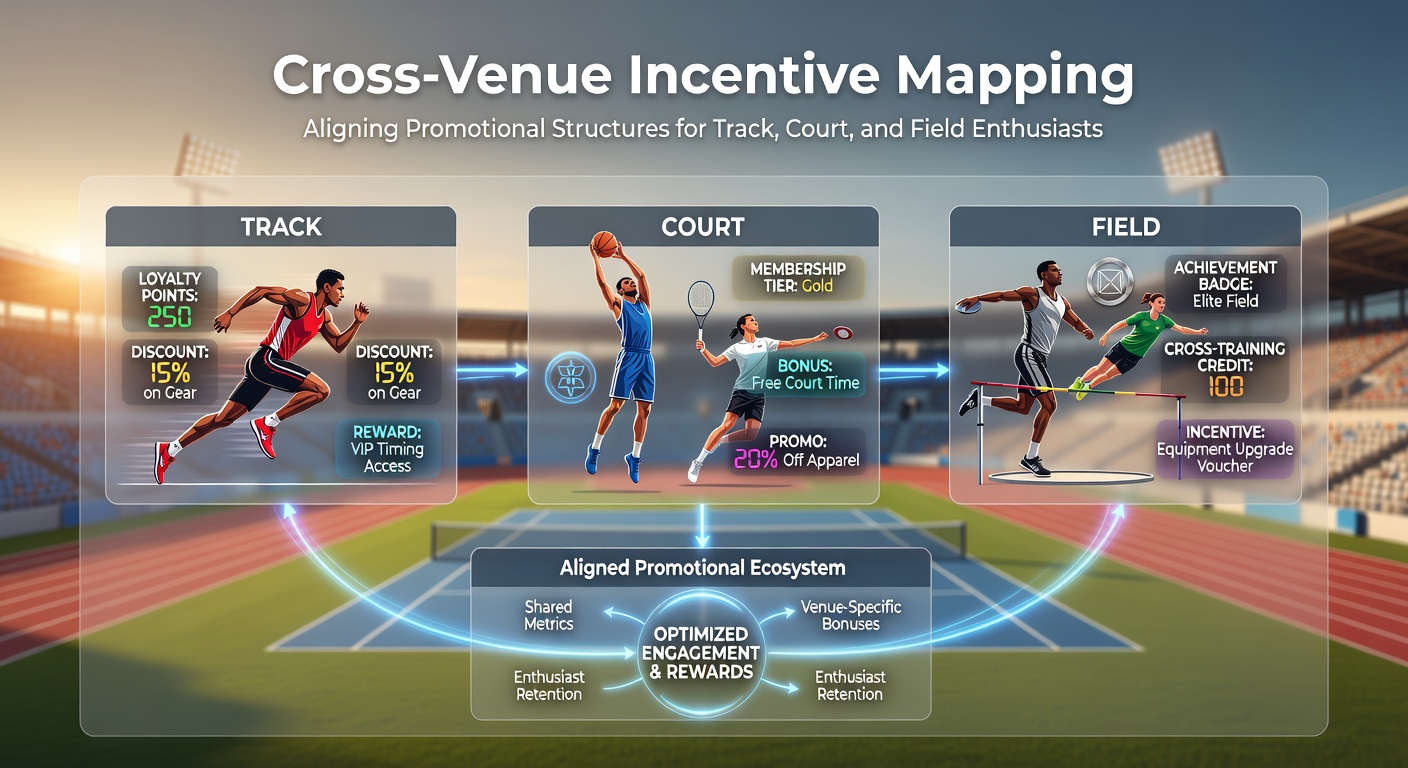
Experts in the betting industry have identified cross-venue incentive mapping as a method that connects promotional offers across track events, court competitions, and field sports, and this approach allows operators to synchronize bonuses so that enthusiasts who follow multiple disciplines encounter consistent reward structures. Research from academic institutions shows that such mapping reduces fragmentation in how free bets, cashback deals, and accumulator enhancements apply when users switch between horse racing at tracks, tennis on courts, and soccer across fields, while data from international trade groups indicates rising adoption rates among major platforms in preparation for peak seasons like those anticipated in May 2026.
Observers note that operators achieve alignment through layered systems where a deposit bonus earned on one venue automatically qualifies for partial use on another, and this integration relies on real-time tracking of user activity across categories. Studies conducted by university researchers reveal that participants who engage with mapped incentives place more balanced wagers rather than concentrating activity on a single sport, and the pattern holds steady even during high-volume periods when events overlap.
Core Components of Incentive Mapping
Promotional structures typically break down into three primary layers that cover sign-up rewards, ongoing loyalty adjustments, and event-specific boosts, and these layers function together because operators assign equivalent values to each venue type so that a cashback percentage on track wagers matches similar protections offered for court accumulators or field match outcomes. Industry reports from organizations such as the Australian Gambling Research Centre document how these layers adapt when seasonal calendars shift, particularly around major fixtures that draw enthusiasts from varied backgrounds.
Those who have examined operator data find that mapping succeeds when algorithms adjust odds and bonus caps according to historical participation rates in each sport, which prevents any one venue from dominating reward pools. What's interesting here is how simple rule sets govern the process: a user who activates a track-related free bet sees the remaining value convert automatically for court use if the original selection settles early, and similar conversions apply when field events conclude first.
Implementation Across Track, Court, and Field Settings
Track venues benefit from mapped incentives through extended each-way protections that carry over to court matches, and this carryover occurs because operators program their systems to recognize equivalent risk profiles between long-distance racing and extended tennis sets. Field sports receive parallel treatment when early payout triggers on soccer goals unlock bonus funds that apply directly to subsequent track or court selections without additional wagering requirements.
Case examples from platform analytics show users completing mapped journeys during multi-sport weekends, where an initial field accumulator win funds a court cashback round that then supports a track each-way play, and the entire sequence completes under unified terms. Researchers discovered that such sequences increase session duration by measurable margins compared with unmapped promotions, although exact percentages vary by region and operator scale.

Challenges and Adjustments in 2026 Scheduling
Operators preparing for May 2026 face calendar overlaps that include end-of-season field leagues alongside early court tournaments and mid-spring track festivals, and mapping systems must recalibrate bonus eligibility windows to avoid conflicts when users attempt simultaneous claims. Data indicates that platforms which pre-test these alignments experience fewer support queries, while those that delay adjustments encounter temporary drops in cross-venue engagement.
Regulatory frameworks outside traditional UK structures, including guidelines from bodies in North America and Europe, require clear disclosure of conversion rules so that enthusiasts understand how mapped values translate across venues. Industry associations emphasize transparency in these disclosures because mapped incentives involve multiple calculation steps that differ from single-sport bonuses.
Future Developments in Cross-Venue Structures
Technology upgrades now underway allow finer granularity in mapping, where individual bet types receive tailored multipliers that respect the unique pacing of track sprints, court rallies, and field rallies. Observers note ongoing trials that link live cash-out decisions on one venue directly to bonus unlocks on another, creating seamless transitions for users who follow several disciplines at once.
Evidence from recent pilot programs suggests these refinements maintain responsible gambling controls while expanding choice, and further iterations scheduled before May 2026 will likely incorporate user preference data to refine how promotional structures respond to shifting engagement patterns.
Conclusion
Cross-venue incentive mapping continues to evolve as operators refine the connections between track, court, and field promotions, and the approach delivers measurable consistency for enthusiasts who move between sports. Continued monitoring by research institutions and industry groups will shape how these frameworks adapt to future calendars and technological capabilities, ensuring that aligned structures remain functional and transparent across regions.