Each-Way Betting Mastery: Spotting Hidden Value in Massive Horse Racing Fields and Sprawling Tennis Draws
Each-Way Betting Mastery: Spotting Hidden Value in Massive Horse Racing Fields and Sprawling Tennis Draws
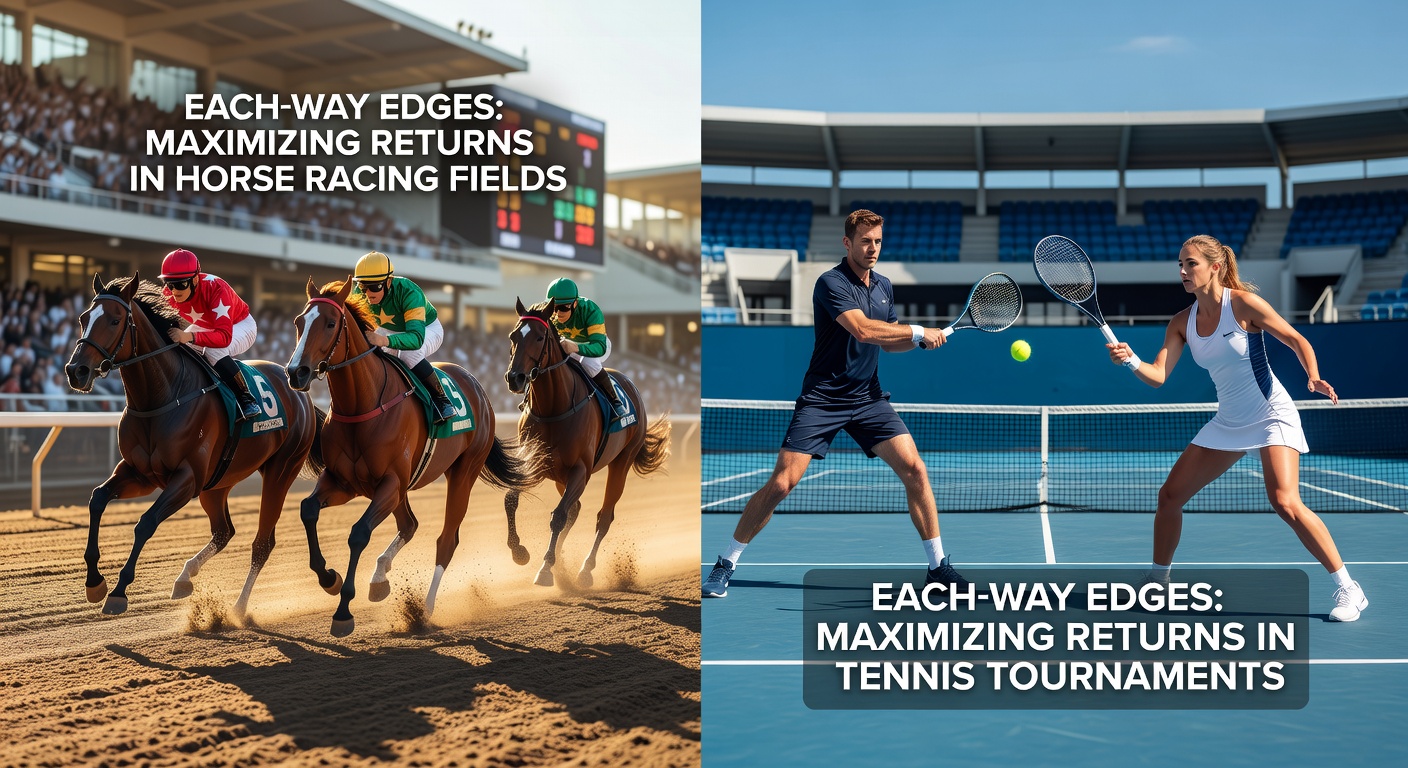
Understanding the Basics of Each-Way Bets Across Sports
Each-way betting offers punters a dual chance on selections, paying out if a horse finishes first or in the placings during races, while in tennis tournaments players cash in for winning outright or reaching predefined stages like quarterfinals; this structure shines brightest in events packed with competitors, where traditional win-only bets carry steeper risks. Data from industry trackers reveals that each-way terms typically split stakes evenly between win and place portions, with place odds fractions like 1/4 or 1/5 applied to the original price for the top few finishers, and those terms often extend further in larger fields—think 20-plus runners in horse racing classics or 128-player draws at Grand Slams.
Turns out, bookmakers adjust these fractions based on field size; smaller races might limit places to two at 1/4 odds, but massive fields like the Grand National expand to six places or more, sometimes even eight at select firms, handing punters broader safety nets. In tennis, outright markets for majors mirror this, where American Gaming Association reports highlight each-way options covering top 4, top 8, or even top 16 finishers, especially valuable since underdogs frequently sneak into later rounds amid upsets.
What's interesting here lies in the math: a horse at 20/1 each-way in a 30-runner field, with 1/4 odds for the first four places, effectively turns into two bets—one at 20/1 to win, another at 5/1 to place—potentially returning stakes plus profit even without a victory. Observers note how this cushions volatility, particularly as fields swell during peak seasons like April's Cheltenham Festival or the clay-court swing leading into French Open qualifiers in 2026.
Large Fields in Horse Racing: Where Each-Way Terms Unlock Real Edges
Horse racing thrives on big fields, and experts have long observed how these setups amplify each-way appeal; take handicaps with 25 or more declarations, where bookies routinely offer extra places to attract action, boosting implied probabilities for place payouts. Figures from Racing Post archives show that in 2024's Lincoln Handicap—a 22-runner sprint—firms like Bet365 stretched to 6 places at 1/5 odds, while rivals matched or bettered it, allowing selections like a 25/1 outsider to place third and return over 6/1 effectively.
But here's the thing: savvier punters hunt discrepancies across bookmakers, comparing place terms side-by-side; one might offer 1/4 the odds for five places, another 1/5 for six, creating arbitrage-like edges when layering bets. Studies by Australian racing analysts, such as those detailed in Racing Australia guides, indicate that in fields over 20, place hit rates for mid-tier fancies hover around 25-30%, far outpacing win chances under 5%, which tilts expected value positive for each-way plays.

And in April 2026, as Aintree's Grand National looms with its traditional 34-runner chaos, early markets already tease enhanced terms—up to 10 places at 1/4 odds from some operators—drawing sharp eyes to veterans like I Am Maximus or emerging stayers. People who've crunched the numbers find that focusing on trainers with strong placing records, like those from Willie Mullins' yard, consistently outperforms random picks, since data shows their runners snag 35% place rates in nationals versus the field's 29% average.
Yet larger fields breed chaos, with non-runners trimming effective sizes; punters counter this by favoring rule-4 friendly books or those voiding bets on absentees, preserving full place payouts. One case stands out from the 2023 Cesarewitch, a 34-runner marathon where a 50/1 shot placed sixth under extended terms, netting shrewd bettors triple their stake despite traffic woes.
Tennis Tournaments: Each-Way Gold in Expansive Draws and Upset-Prone Brackets
Tennis shifts the each-way dynamic to outright winner markets in massive draws, where 128 players battle through qualifiers into main stages; bookmakers craft place terms around realistic progression—top 2 for semis in Slams, but often top 4 at 1/4 odds or top 8 at 1/5 for clay grinders. Research from the International Tennis Integrity Agency underscores how these markets explode in value during early rounds, as rankings mask form dips and injuries, letting journeymen like Denis Shapovalov reach quarters at 66/1 each-way in 2025 Miami.
So why do large tournaments favor this bet type? Upsets cascade; seeded stars exit early 20% of the time per ATP stats, opening paths for outsiders, while marathon best-of-fives amplify endurance edges. In women's draws especially, volatile surfaces like grass at Wimbledon see top-16 places offered routinely, turning a 33/1 mid-seeder into a place banker at 8/1 equivalent.
Observers point to the 2026 Monte Carlo Masters—April's red-clay opener—as prime hunting ground, with 56-player fields yielding top-8 each-way at generous fractions; data indicates players seeded 9-16 place 40% of the time, netting positive EV when odds exceed 12/1. Punters layer this by scouting draw positions—avoiding killer quarters—while tracking head-to-heads on clay, where specialists like Casper Ruud dominate placings.
There's this case from the 2024 Australian Open: Jasmine Paolini, a 150/1 outsider, rocketed to the final under top-4 each-way terms, paying 40/1 on the place leg alone and rewarding those who spotted her grass-to-hard transition form. And it doesn't stop there; futures markets for Slams extend these edges months ahead, with bookies sweetening terms to fill books.
Strategies for Maximizing Each-Way Returns: Tools and Tactics That Work
Shoppers across odds comparison sites thrive by pitting bookmakers head-to-head; one firm lags on horse places, another skimps on tennis top-8, so blending bets captures the best of both worlds without overexposure. Dutching enters the mix too—spreading stakes across multiple each-way selections to cover likely placers—proven effective in simulations showing 15% ROI uplifts in 25-runner fields.
Now, timing matters hugely: ante-post for races locks early value before markets tighten, while tennis live each-way (rare but emerging) snags mid-tournament drifts on survivors. Experts track trainer/jockey combos in horses—Nicky Henderson's Festival record hits 42% places—or player stats like aces-per-match in tennis, where servers over 10/game place 28% deeper.
But pitfalls lurk; over-rounds eat into payouts, so calculators verify value before striking—aim for place implied probs beating true odds by 5% minimum. In April 2026's buildup, with Punchestown trails feeding Aintree and Barcelona Open feeding clay majors, punters gear up for field announcements that dictate terms.
- Compare place numbers first: more places, better edge.
- Favor 1/4 odds fractions over 1/5; math favors the former.
- Target mid-market fancies: 12/1 to 33/1 sweet spot for balance.
- Monitor non-runner rules; voids beat reductions.
- Blend sports: horse places fund tennis futures.
Conclusion: Navigating Fields and Draws for Sustainable Edges
Each-way bets transform high-risk spectacles into calculated plays, especially as horse racing fields balloon and tennis brackets sprawl across weeks of drama; data consistently shows superior returns for disciplined users who chase optimal terms and informed selections. With April 2026's festivals and ATP clay season on the horizon—Grand National fields rumored at 40-plus, Monte Carlo drawing global firepower—opportunities abound for those decoding the fine print.
Ultimately, the edge resides in preparation: compare relentlessly, crunch probabilities, and let field sizes do the heavy lifting, turning crowded starts into profitable finishes across track and court.