Notification Cascades Drive Precision in Live Accumulator Adjustments for Football and Horse Racing
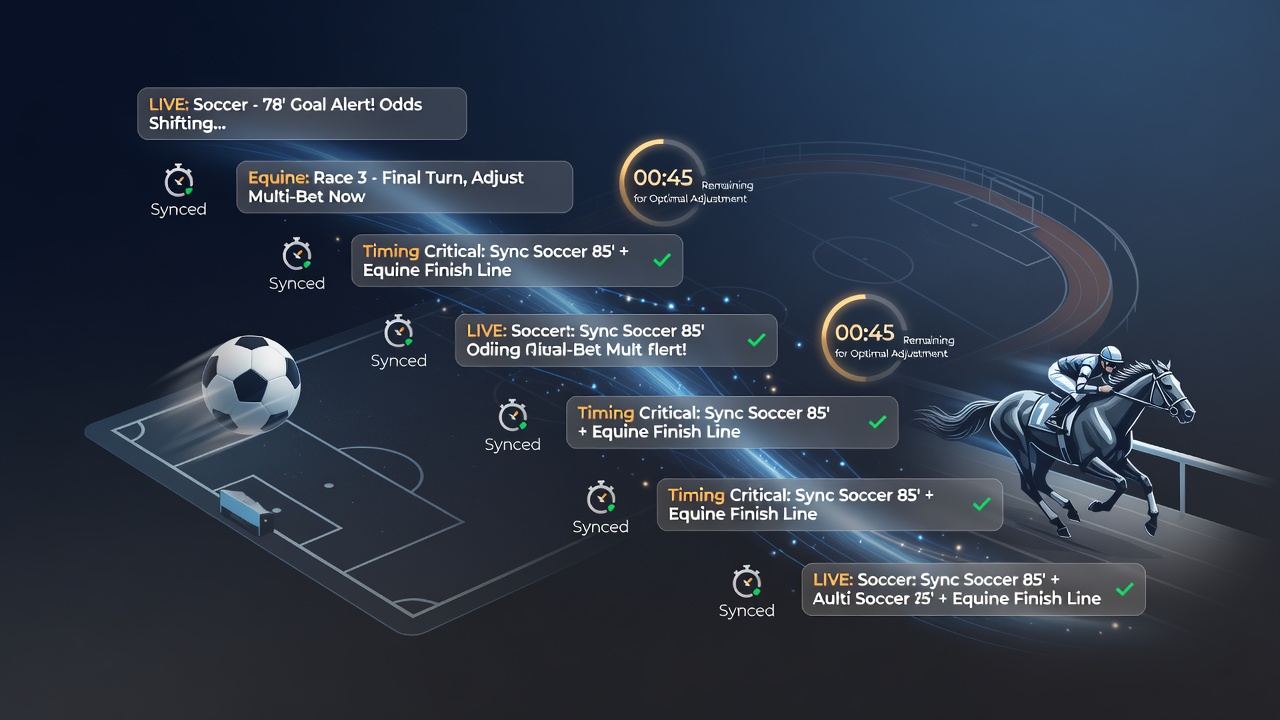
Platform notification cascades deliver sequenced alerts that update bettors on odds shifts, match events, and market movements in real time, allowing adjustments to multi-bet positions during ongoing soccer matches and equine races. These systems operate through layered triggers where an initial event notification spawns follow-on alerts on related markets, creating a chain that informs timing decisions without requiring constant manual monitoring. Data from industry tracking shows that operators integrated such cascades into their apps by early 2025, with adoption rates climbing through subsequent seasons.
How Cascades Operate in Live Environments
Notification cascades function by prioritizing primary triggers like goal scorers or horse position updates, then branching into secondary signals on correlated odds such as next-goal markets or in-play place betting. This structure connects directly to backend data feeds that refresh every few seconds during high-volume periods, and operators report that bettors receive an average of four to six linked alerts per major event window. In July 2026, platforms handling European soccer leagues and major racing festivals expanded cascade depth to include weather and track condition overlays, which further refines adjustment windows for accumulators spanning both sports.
Researchers at academic institutions tracking digital betting interfaces note that cascade timing aligns with average attention spans measured in user sessions, where alerts arrive in staggered intervals of 15 to 45 seconds to avoid overload. One study released by a Canadian research consortium in 2025 examined session logs from over 200,000 accounts and found that participants who responded to cascade sequences adjusted their multi-bets 2.3 times more frequently than those relying on manual refreshes alone.
Timing Choices in Soccer Accumulators
Soccer events generate dense notification streams because goals, substitutions, and card incidents produce immediate market recalibrations across multiple legs of an accumulator. Cascades guide bettors toward adjustment points by sequencing alerts on momentum shifts, such as a red card followed by updated over/under totals and team total goals. Observers note that these chains often peak during stoppage time, when platforms push combined notifications covering both the current score and remaining fixture implications, enabling exits or stake increases on related selections.
Figures from the European Gaming and Betting Association reveal that live soccer accumulator volumes rose 18 percent year-over-year through the first half of 2026, with cascade-enabled platforms accounting for the majority of that growth. Bettors frequently use the first alert in a cascade to evaluate whether to lock in a partial cash-out, while subsequent messages inform whether to add legs from concurrent matches. This layered approach proves especially relevant during congested fixture periods when multiple games overlap.
Application to Equine Events
Equine racing presents distinct cascade patterns because updates arrive at irregular intervals tied to race segments rather than continuous play. Initial notifications typically cover starting prices and early pace, then cascade into mid-race position changes and final furlong odds. Platforms coordinate these with soccer alerts when users hold mixed accumulators, ensuring that a horse race notification does not interrupt soccer-specific timing cues unless the systems detect overlapping adjustment opportunities.
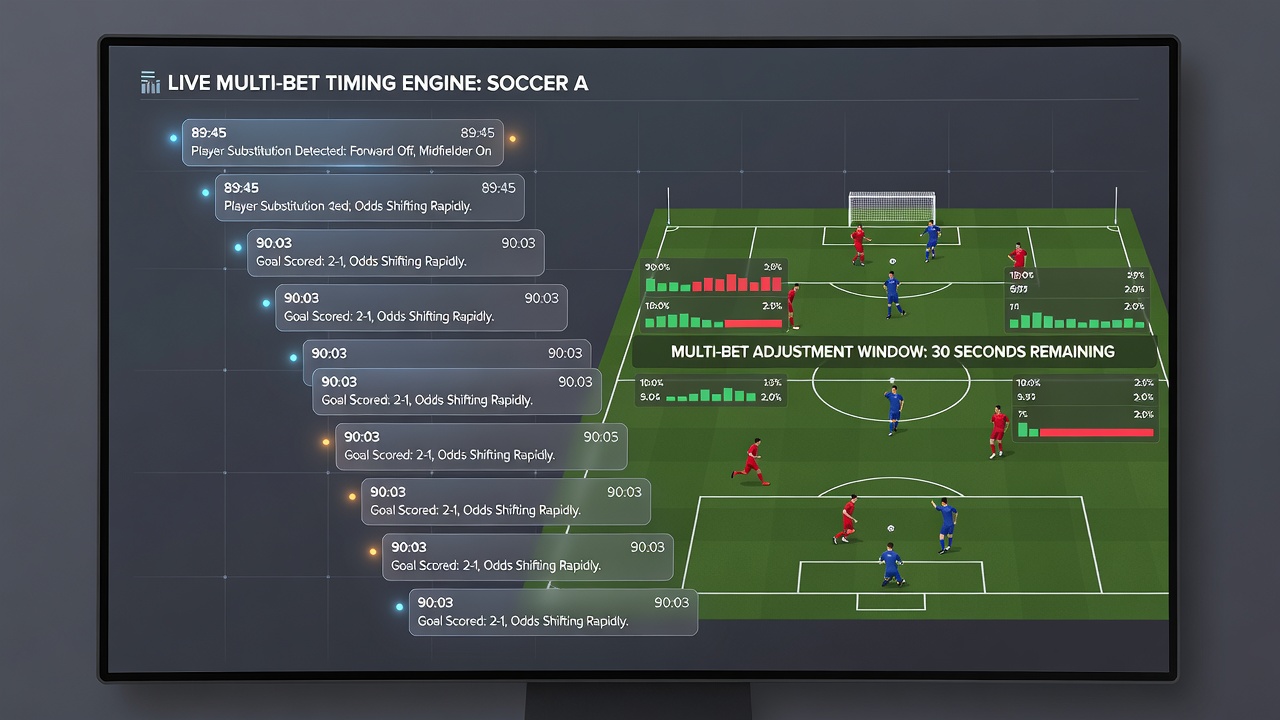
Those who've studied racing data feeds indicate that cascades in equine betting often incorporate non-race factors such as jockey changes or veterinary updates, which branch into separate notification threads. In July 2026, several major racing jurisdictions reported increased use of these threads during evening meetings that coincide with international soccer fixtures, allowing bettors to manage timing across both domains without separate app switching. Industry reports from Australian sources highlight that cascade response rates during feature races reached 67 percent among tracked accounts, compared with 41 percent for single-alert systems.
Cross-Sport Adjustment Strategies
Platforms that support combined soccer and equine portfolios design cascades to prioritize legs based on proximity to resolution, sending soccer goal alerts ahead of race updates when both are active. Bettors receive guidance on sequencing adjustments through color-coded or numbered alert chains that indicate which market requires immediate review. Data indicates that this ordering reduces average decision latency by 12 seconds per adjustment, according to internal metrics shared by multiple operators.
One documented case involved a multi-bet spanning a Premier League match and an Ascot handicap race, where the cascade delivered a goal notification first, prompting an accumulator rebalance, followed by a horse position update that confirmed whether to hold or exit the equine leg. Such examples illustrate how the technology aligns disparate event timelines into manageable decision flows.
Conclusion
Platform notification cascades have become integral to live multi-bet management by delivering timed, interconnected alerts that inform adjustment choices across soccer and equine events. Their continued refinement through 2026 supports higher volumes of in-play activity while maintaining structured information delivery that aligns with event dynamics in both sports.