OLBG Survey Highlights UK Sports Betting Intentions Ahead of 2026 Events

Results from a YouGov survey commissioned by OLBG show that 18% of UK adults intend to place at least one sports bet during 2026, with participation rates varying across regions and event types. The findings, released through the 2026 Betting Trends Survey, place Northern Ireland at the forefront with 26% of adults planning to bet on sports, while the national monthly betting rate holds steady at 9%. These figures come from responses collected to gauge intentions for the coming year, which features several high-profile competitions.
Regional Patterns in Planned Betting Activity
Northern Ireland records the highest share at 26%, exceeding the UK average by 8 percentage points. Other parts of the UK show lower but consistent levels of interest, with the survey indicating that overall participation intentions remain uniform across age groups and demographics in most areas. Observers note that these regional differences align with historical patterns in sports engagement, though the data reflects stated plans rather than actual outcomes.
Leading Events Drawing Attention
The Grand National continues to rank as the most popular single event for planned bets, according to the survey responses. The FIFA World Cup follows closely as the competition generating the strongest anticipation among respondents, with many indicating they expect to place wagers on matches during the tournament scheduled for summer 2026. Additional events such as major horse racing festivals and international football tournaments also appear in the results, yet none surpass the Grand National or World Cup in stated interest levels.
Monthly participation sits at 9% across the sample, a figure that has shown little fluctuation in recent comparable surveys. This steady rate suggests that regular betting activity forms a baseline for a portion of UK adults, separate from event-specific spikes. The data captures intentions for 2026 specifically, covering both one-off major fixtures and ongoing leagues.
Survey Methodology and Scope
YouGov conducted the poll on behalf of OLBG, gathering responses from UK adults to map betting plans across the full calendar year. Questions focused on frequency, preferred events, and regional breakdowns, producing the headline percentages released in the report. The survey distinguishes between general sports betting intentions and monthly habits, allowing separate tracking of occasional versus regular participants.
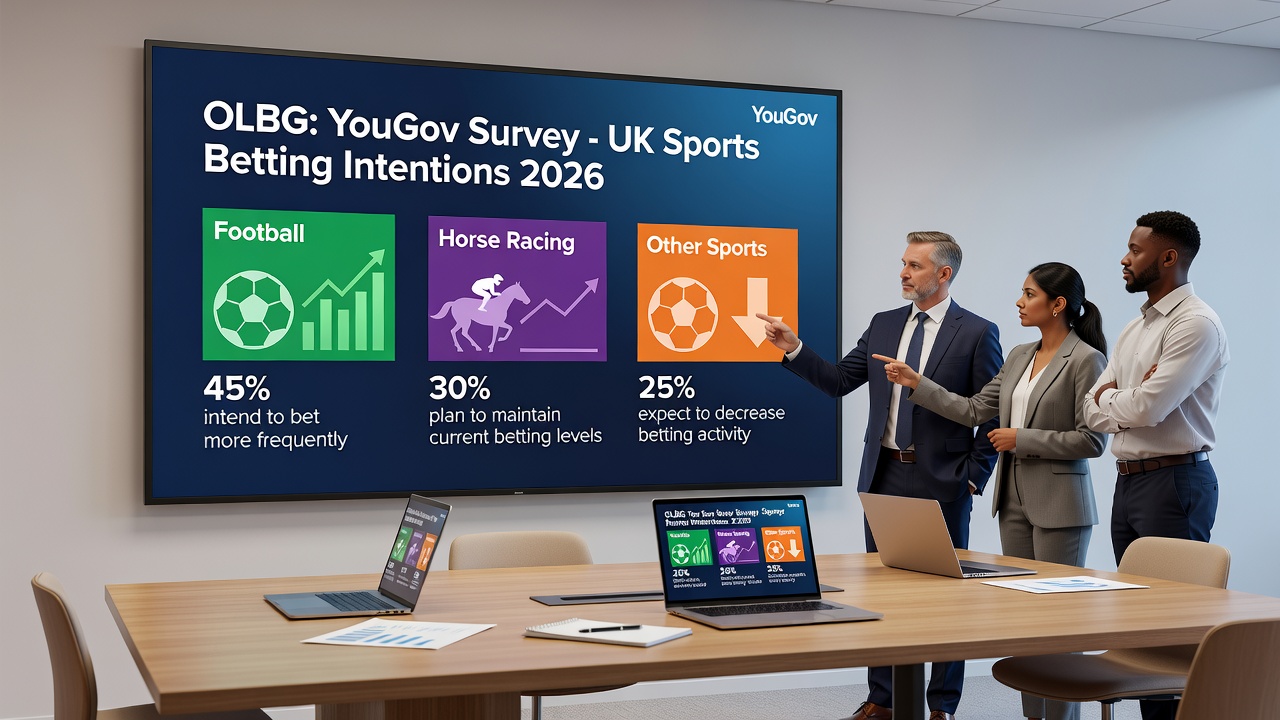
Figures reveal that 18% overall expect to engage at some point, translating to millions of adults when applied to the broader population. Northern Ireland's elevated rate stands out within the dataset, while the rest of the UK clusters nearer the national mean. The inclusion of the World Cup reflects its timing in July 2026, when matches will occur across multiple host cities and draw widespread attention.
Context Within Broader Participation Trends
Steady monthly betting at 9% provides a reference point against which event-driven increases can be measured later. Researchers have observed similar patterns in prior years around major tournaments, where temporary rises occur without altering the underlying regular rate. The current survey supplies baseline numbers that industry analysts and regulators may reference when reviewing activity in 2026.
Additional details from the results cover types of bets under consideration, though the primary release emphasizes overall intentions and top events. The Grand National retains its position at the top of the list, consistent with long-standing popularity in UK horse racing calendars. Meanwhile, the World Cup's prominence stems from its global reach and concentrated schedule during the summer months.
Conclusion
The OLBG-commissioned YouGov survey supplies concrete percentages on planned UK sports betting for 2026, including the 18% national figure, Northern Ireland's 26% lead, the Grand National's top ranking, and the World Cup's anticipated draw. With monthly participation holding at 9%, these findings offer a factual snapshot of intentions ahead of the year's major fixtures. The data stands ready for comparison once actual participation statistics become available later in the cycle.