Seasonal Shifts Drive App-Based Live Markets for Cross-Sport Accumulators
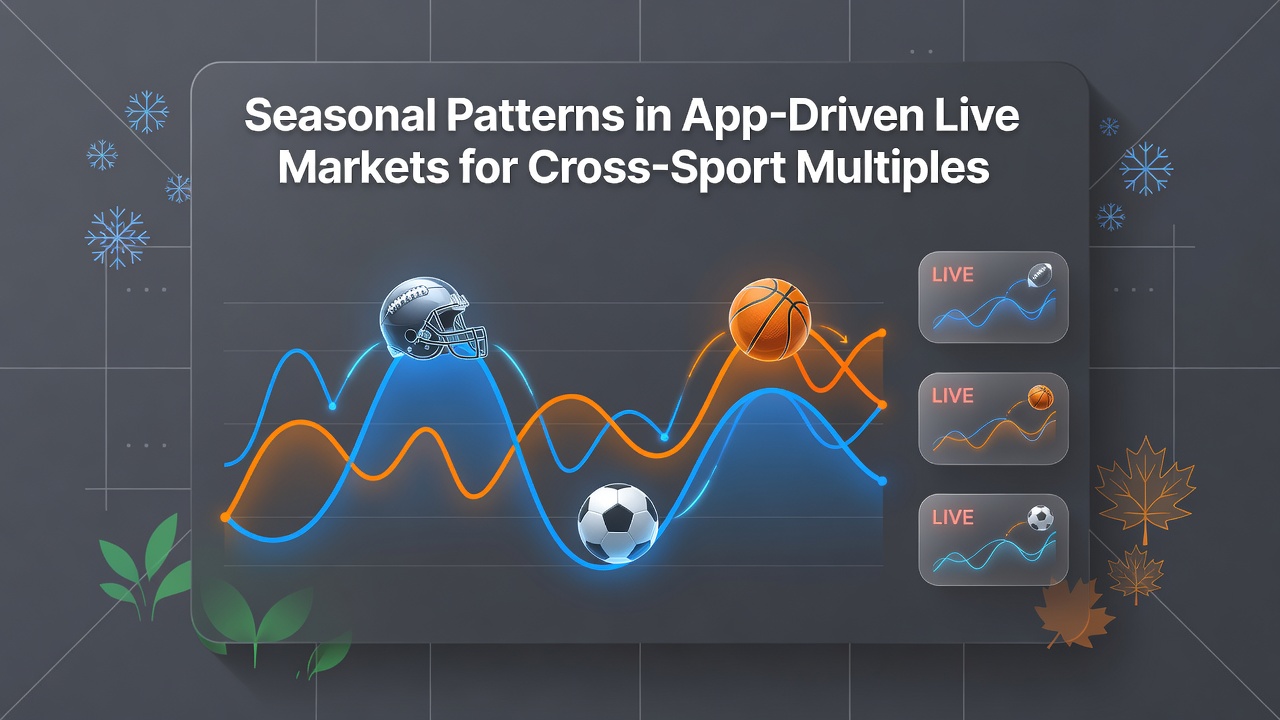
App-driven platforms have transformed how bettors construct live multiples across sports, and seasonal patterns emerge clearly in usage data from major operators. Summer months bring heightened activity in markets that blend tennis rallies with horse racing sprints, while winter periods shift focus toward football and basketball overlaps. Researchers tracking mobile engagement note that these cycles align with global event calendars, where major tournaments create overlapping live windows that apps exploit through instant cash-out and builder tools.
Summer Peaks and Multi-Sport Live Construction
June through August consistently shows elevated volumes for cross-sport accumulators that pair Wimbledon-style tennis with flat racing at tracks like Ascot or Royal meetings. Bettors use apps to layer live points from a tennis set onto an in-play horse race leg, adjusting stakes as both events unfold simultaneously. Data from industry tracking services indicates that these combinations rise sharply because apps deliver real-time odds updates across unrelated sports without requiring users to switch platforms. Observers note that 2026 will feature additional overlap during the FIFA World Cup group stages in June, when football matches run parallel to European summer racing festivals and North American baseball slates.
Winter Adjustments in Accumulator Strategies
Colder months redirect live market activity toward indoor sports such as basketball, football, and ice hockey, where apps facilitate rapid accumulator builds during overlapping fixtures. Users frequently combine a live football corner market with basketball quarter totals, capitalizing on frequent scoring bursts that apps highlight through push notifications. Figures from North American gaming reports reveal that mobile sessions for these winter multiples increase as leagues reach mid-season intensity, while cash-out features allow bettors to lock partial returns before final legs settle. The pattern differs from summer because fewer outdoor variables like track conditions influence outcomes, leading apps to emphasize statistical overlays instead.
App Features That Amplify Seasonal Trends
Live market depth expands during peak seasons because development teams prioritize cross-sport integrations ahead of calendar events. Features such as multi-leg cash-out sliders and dynamic stake builders appear more prominently when tennis grand slams coincide with racing festivals, enabling users to exit positions mid-accumulator if one leg underperforms. Canadian provincial gaming data shows that session lengths for these tools extend during high-profile overlaps, while Australian wagering authorities record similar spikes tied to southern hemisphere summer racing carnivals. Apps therefore serve as the central hub where seasonal event density translates directly into more complex live multiples.
Regional Variations in Cross-Sport Engagement
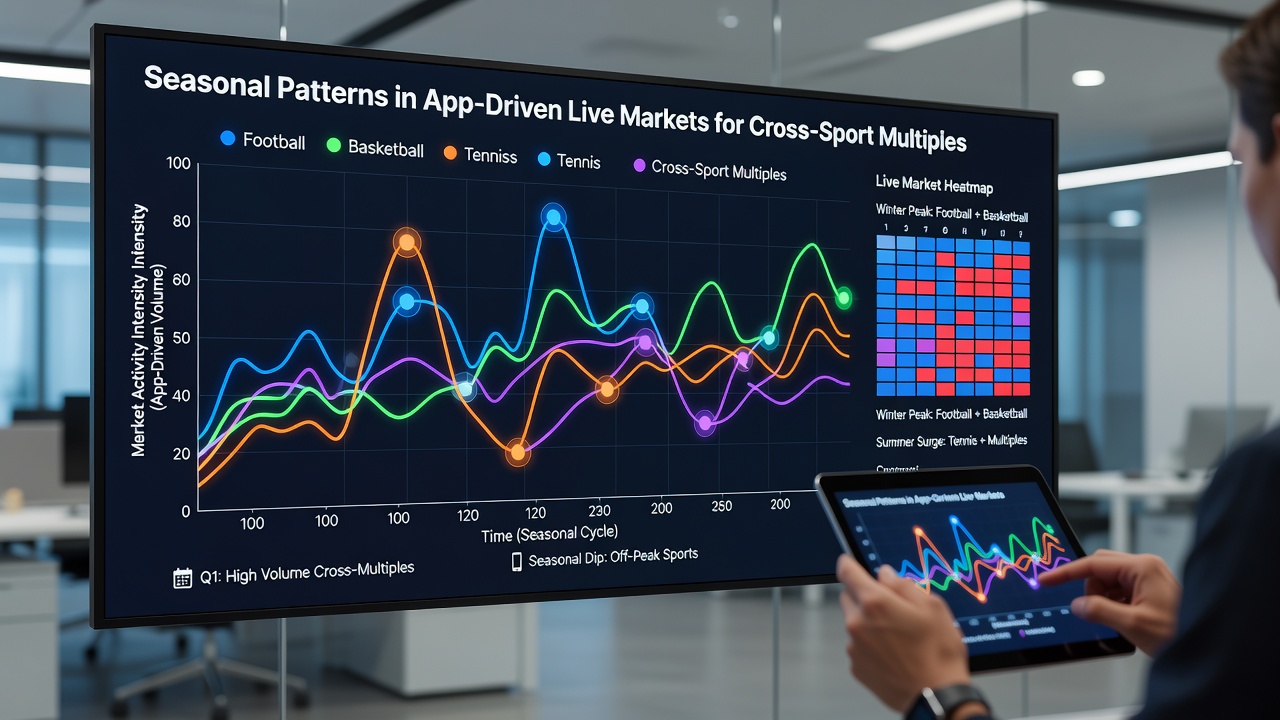
European markets demonstrate stronger summer emphasis on tennis-racing combinations, whereas North American users lean into baseball-football crossovers during overlapping seasons. Regulatory summaries from bodies such as those overseeing Australian wagering highlight how daylight saving changes affect live market timing, pushing evening accumulators into earlier app sessions. Those studying app analytics point out that push notification frequency rises in June when multiple continents host concurrent major events, prompting bettors to monitor several sports within single app interfaces. This geographic tailoring keeps seasonal patterns distinct yet measurable across global platforms.
Data Patterns and Event-Driven Spikes
Analytics firms that monitor app telemetry find that accumulator completion rates climb when major fixtures cluster, such as during the 2026 World Cup period when football legs integrate with ongoing tennis and racing schedules. Live odds adjustments happen faster in apps than legacy systems, allowing bettors to respond to in-match developments across disciplines without delay. Studies from academic institutions examining digital wagering behavior confirm that these spikes correlate with fixture density rather than any single sport's popularity. The result is a predictable rhythm where app interfaces evolve seasonally to accommodate the most active cross-sport pairings.
Conclusion
Seasonal patterns in app-driven live markets for cross-sport multiples reflect the alignment of global sporting calendars with mobile technology capabilities. Summer emphasizes tennis and racing combinations, winter favors indoor overlaps, and event years like 2026 intensify these cycles through concurrent major tournaments. Operators continue refining app tools to match these rhythms, while regulatory data from multiple jurisdictions documents the resulting engagement trends. The structure of live accumulators therefore follows clear seasonal contours shaped by both calendar events and platform functionality.