Tracing Value Threads: Promo Stacking Meets Live Adjustments in Equine and Court-Based Wagers
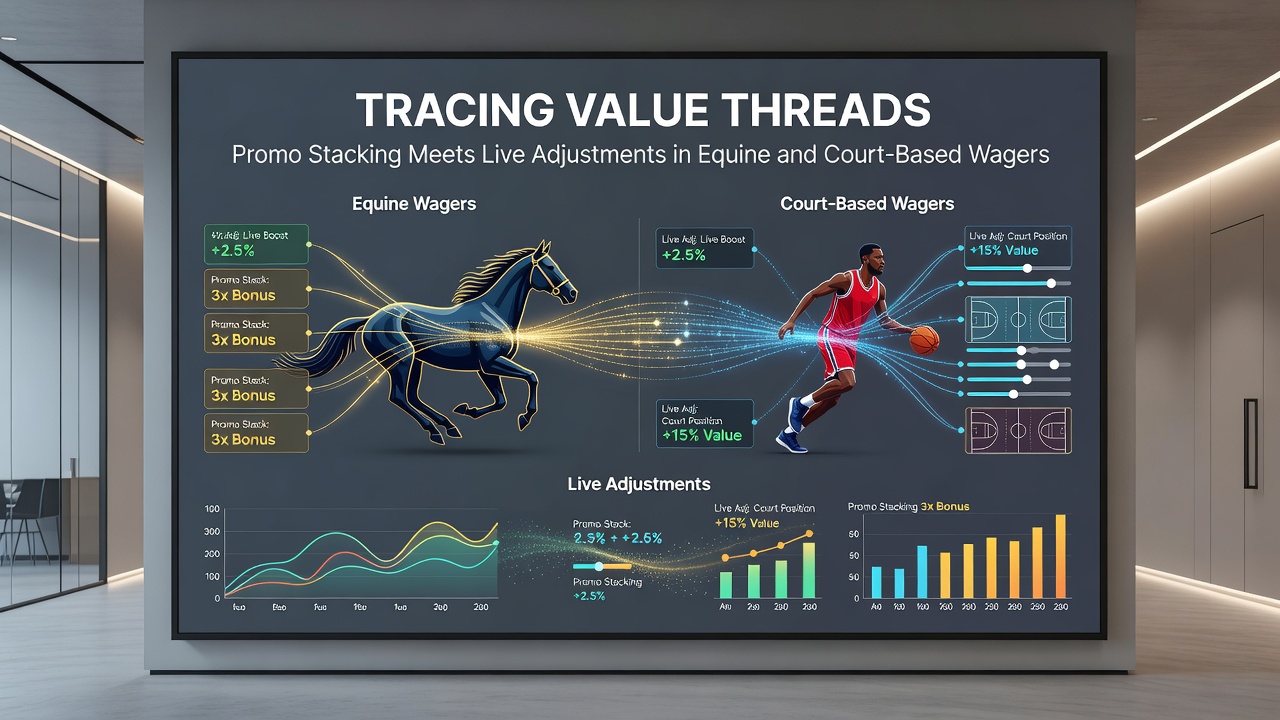
Promo stacking in equine and court-based wagers combines multiple bookmaker incentives with real-time market shifts, creating layered opportunities that bettors track across horse racing festivals and tennis tournaments. Data from industry reports shows participants in these markets often layer welcome bonuses, enhanced odds, and cash-out features while adjusting stakes during live events, and this approach has gained traction as platforms refine their tools through 2026.
Understanding Promo Stacking Mechanics
Promo stacking begins when bettors identify overlapping offers such as free bets, stake boosts, and loyalty rewards, then apply them sequentially to accumulator or each-way selections in horse racing and tennis. Observers note that platforms release terms specifying eligible markets, minimum odds, and withdrawal conditions, which means users must verify compatibility before combining incentives. Research from the Canadian Centre on Substance Use and Addiction indicates structured use of multiple promotions correlates with extended session lengths in regulated markets, while separate studies track how these layers affect overall yield calculations.
Live Adjustments in Equine Markets
Horse racing markets update rapidly as runners reach the parade ring or as weather conditions shift track bias, prompting bettors to alter positions through cash-out or partial stake reduction features. These adjustments intersect with stacked promotions when a free bet token remains active on an accumulator that includes later races, allowing partial exits before the final leg settles. Figures from Australian wagering operators reveal that live equine betting volumes rise during major carnival periods, and platforms respond by displaying dynamic odds alongside available promo balances to streamline decision-making.
Integration Points for Tennis Court Wagers
Tennis markets operate on set-by-set progressions and player fatigue indicators, which creates windows for live adjustments during extended rallies or tie-breaks. Bettors stack enhanced odds promos with cash-out options on singles or doubles accumulators, then monitor serve percentages and break-point conversions to decide whether to lock in returns mid-match. According to data compiled by the Nevada Gaming Control Board, court-based wagers show distinct patterns where live betting activity peaks during grand slam weeks, and operators adjust maximum stake limits on boosted lines accordingly.
Those who monitor both sports often trace value threads by aligning promo expiry dates with tournament schedules, since a stacked free bet on an early-round tennis match can carry forward into horse racing evening cards when operators permit cross-sport combinations. What's interesting is how rule variations between bookmakers affect these threads, particularly when one platform voids an accumulator leg due to player withdrawal while another allows substitution within the same promo framework.

Market Trends Observed Through June 2026
By June 2026, several operators have expanded in-play adjustment tools to include granular partial cash-out sliders and auto-adjust features tied to promo balances. Participation data released by the European Gaming and Betting Association shows steady growth in combined equine and court-based wager volumes, driven by mobile interfaces that display remaining promo value alongside live odds. Bettors following these threads frequently cross-reference multiple accounts to maximize stacking potential, although terms require each account to operate under separate verification protocols.
Case examples from recent grand slam and royal meeting periods demonstrate sequences where an initial stake boost on a tennis accumulator meets a live cash-out during a rain delay, then the returned funds feed into an evening horse racing each-way promo that itself carries an odds enhancement. Such threads depend on precise timing because promotion windows close at set intervals, and live market liquidity varies by event prominence.
Technical Considerations for Layered Strategies
Platform algorithms calculate adjusted returns when live exits occur on promo-funded bets, applying settlement rules that subtract any remaining liability from the original boosted amount. Those tracking value threads review settlement histories to confirm how each layer resolves, particularly when one leg of an accumulator settles as a winner while another remains active under cash-out restrictions. Industry reports note that clearer disclosure of these calculations appears on newer app versions, reducing disputes over final payout figures.
Geographic differences in regulatory approaches further shape available stacking combinations, with some jurisdictions limiting the number of simultaneous promotions while others focus on transparency around live adjustment fees. Bettors therefore maintain records of terms across operators to avoid unintended breaches that could forfeit stacked rewards.
Conclusion
Tracing value threads through promo stacking and live adjustments in equine and court-based wagers requires attention to overlapping terms, market timing, and settlement mechanics across multiple platforms. Data indicates continued refinement of these features as operators respond to participant activity patterns through 2026, and bettors who document each layer maintain clearer oversight of outcomes. External resources such as Canadian Centre on Substance Use and Addiction reports and European Gaming and Betting Association publications provide additional context on market behaviors without prescribing specific approaches.